
The work that needs you is buried under the work that doesn't.
Less of the work that's drowning you. More room for the work that only you can do.
You’re carrying work the business should carry for you. Every approval, every exception, every question that only you can answer. That’s the line we draw: between the work that needs your judgement and the work that just needs a system. Then we build the operational systems, document the processes, and hand over something that runs without you.
You’re spending your best hours on work that doesn’t need them.

Sound familiar?
You can't take a proper holiday. You can take the time off, but you can't switch off. There's always a decision only you can make, a message only you can answer, a problem that routes straight back to you. You're always on.
 Most weeks start here.
The day-to-day runs on WhatsApp chains, spreadsheets nobody quite trusts, and decisions that stack up because there's nowhere else for them to go. You're paying for tools the team doesn't use.
You're the first call when something goes wrong. Your team is capable, but the knowledge that makes things run still lives in your head. There's no safety net if something slips.
The business is growing but it feels like more of the same at a bigger scale.
The problem is not that you’re not working hard enough. It’s that the business was never built to run without you, so it doesn’t. Every process depends on someone knowing the shortcut. Every decision routes to you because there’s no system to catch it first. Every new client, every new hire, adds another thread that only holds because you’re holding it.
That's not a you problem. It’s a systems problem, and it’s fixable.
From buried to running.
You’ve tried to fix this before. The research, the buy-in, the training. For a few weeks it works. Then one person goes back to WhatsApp because it’s faster, and quietly everyone follows. You’re left with a subscription nobody uses and a team doing things the way they always did.
Not because the tool was bad, but because it was built for someone else's process and nobody stopped to map yours first.

Before you automate,
you have to become automatable.
That means the knowledge has to come out of your head first: the processes documented, the decisions mapped, the way your business works in practice made visible. Only then can a system be built around it. That's where The Bottom Line starts. Not with the tool. With understanding the business it's supposed to serve.
What you end up with isn't a pile of tools. It's a written record of how the work gets done: when it starts, what it needs to know, what the rules are and who checks it before it goes anywhere. That record is yours. Tools change every year, the record doesn't, because it describes your business rather than somebody's software.
Own the recipe. Rent the kitchen.

Discovery.
We map how the business works in practice. Not how it's supposed to run. We're looking for the repetitive, essential tasks that keep the business moving but don't need a person to do them. We uncover them, document them, and map where the time and the load really sits.
Build.
Defined scope, fixed fee. We build around your actual process, not a generic template. Not everything gets automated. Some things get streamlined. Some get retired. What gets built is what changes your week.
Handover.
Documented, tested and running. The knowledge is out of your head and into systems that run the way you'd run them, with your rules and your standards built in, so you keep the control and shed the doing. We make sure you know how to keep them running: what to watch, what to update and what to do when something changes. It's not a black box you inherit, it's something you understand and own.
You take a week off and nothing collapses.
Someone new joins and the handover takes a day, not a month.
A problem comes in while you're out and the system catches it before it reaches you.
By the end, you know your business in a way you didn't before, and something is running that doesn't need you in the middle of it. You don't have to fix everything at once. Two or three jobs running properly without you is a finished piece of work, not a pilot.
Why The Bottom Line exists.
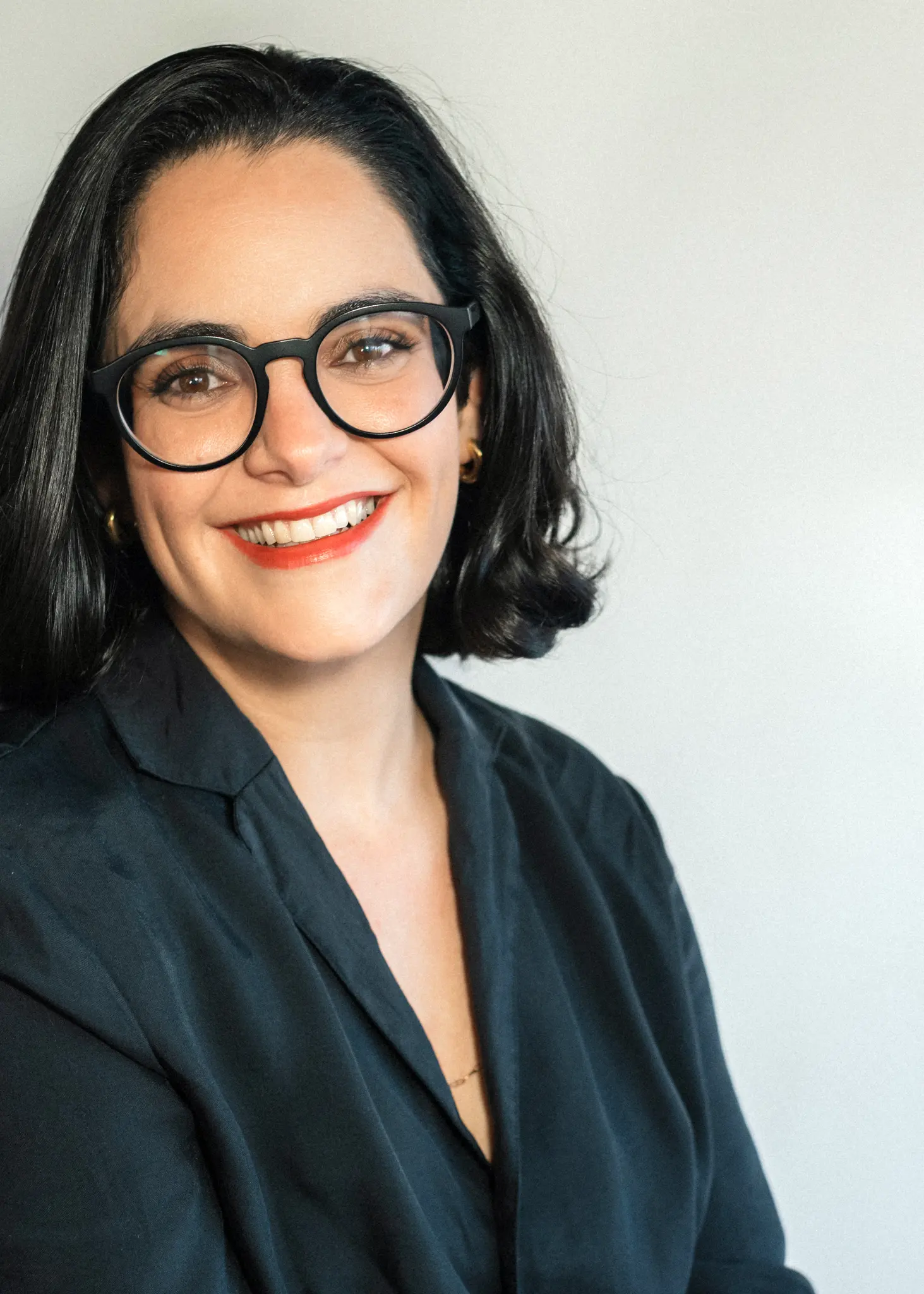
New system, same undocumented workflows. New hire, same knowledge locked in one person's head. Katie spent seventeen years across management consulting, business intelligence and internal operations, watching businesses add tools without fixing the work underneath. She could see exactly what needed to change, but building the fix meant a development team, and development teams had other priorities. When AI removed that ceiling, she started The Bottom Line.
di untershte shure
The crux of the matter, and the net result on your income statement. The Bottom Line works on both.
People are at their best doing work that means something to them: the creativity, the judgement, the decisions that only they can make. Everything else belongs to systems. That’s the line we draw.

Are you ready to let things run without you?
Six questions about how your business runs today. You'll see which of four stages your business is at, with three observations based on your answers.
Start the assessment →It's free, and there's no sales call attached.
Ready to draw the line?
It starts with a conversation. We'll talk through how your business runs today, where the load is sitting and where AI could give you the most room to grow. There's no commitment and no pitch, just an honest conversation about whether we're the right fit.